Duty to consult software is purpose-built stakeholder relationship management (SRM) software that helps government departments run and document Indigenous consultation with Rights and Title Holders, tracking every concern raised through to its consideration and response, in a single defensible record. The duty to consult is judged on the quality and defensibility of that record.
The Crown's duty to consult is a constitutional obligation grounded in section 35 of the Constitution Act, 1982, as interpreted by the Supreme Court of Canada in Haida Nation (2004). It requires the Crown to consult, and where appropriate accommodate, Indigenous groups when it contemplates conduct that may adversely affect established or asserted Aboriginal and treaty rights. The duty is legal, not optional.
The duty applies to the Crown at both the federal and provincial levels. Federally, CIRNAC (Crown-Indigenous Relations and Northern Affairs Canada) coordinates and advises across government, and provincial governments carry the same obligation under their own consultation policies. In every case, individual departments and agencies are responsible for understanding how and when their own activities could affect those rights, and for carrying out the consultation. That operational weight sits inside each department: tracking who was contacted, what was raised, how the Crown responded, and whether commitments were met.

Courts have consistently affirmed that failing to meaningfully fulfill the duty can result in project delays, legal challenges, and economic impacts. When consultation is challenged, the department has to show what it did, when, with whom, and how it responded. That record is either organized and defensible or scattered across inboxes, shared drives, and individual memories.
A general sales CRM (Customer Relationship Management) tool is built to move prospects through a sales pipeline. Consultation is not a pipeline. Duty to consult software is a stakeholder relationship management (SRM) platform built for the opposite purpose: to hold a complete, defensible history of engagement with Rights and Title Holders over the full life of a project, where the goal is not to close a deal but to demonstrate that consultation was meaningful.
Every interaction, meeting note, email, commitment, and document is logged under the correct Indigenous group and file, so the consultation history stays intact when staff change or files move between offices.
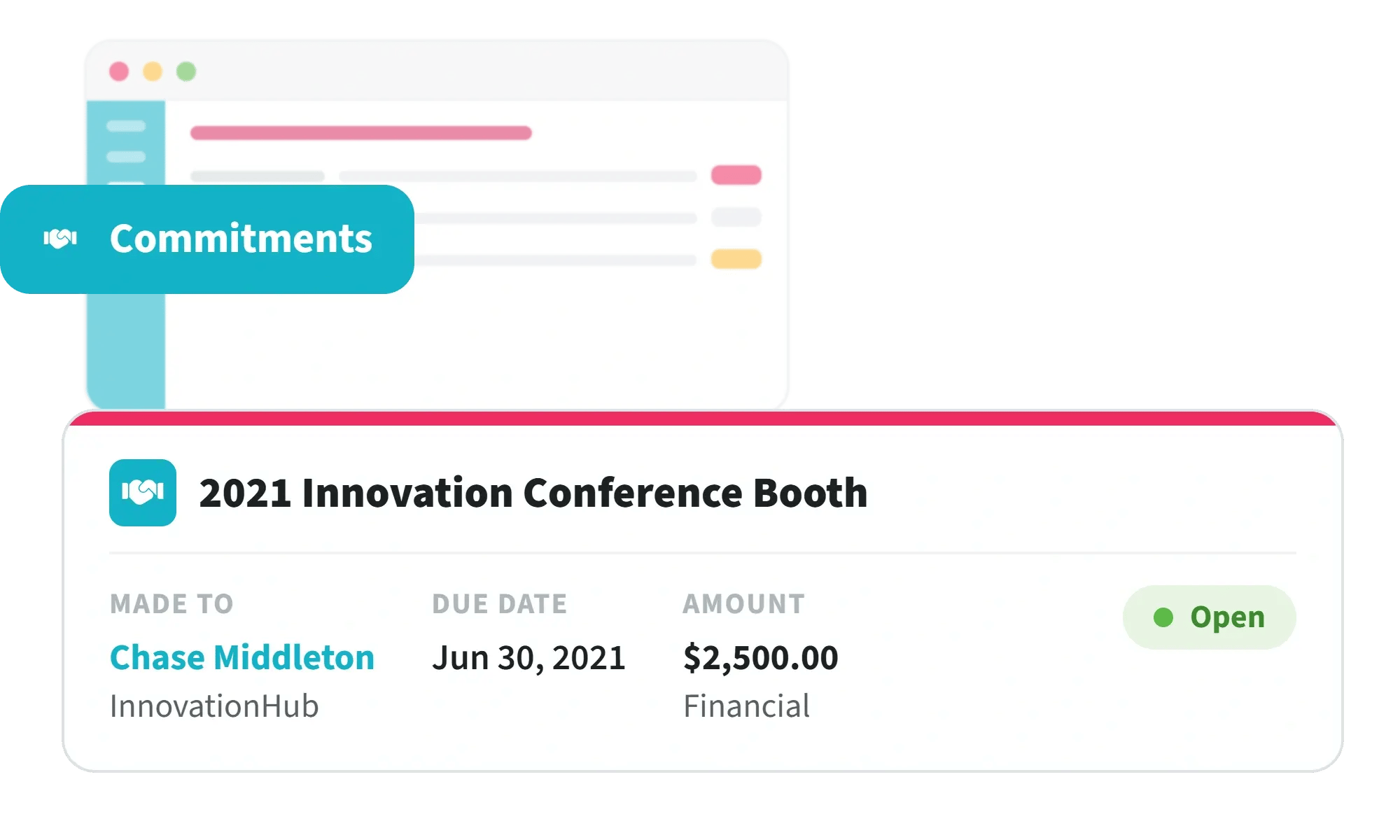
Issues raised in consultation are captured and tracked to how the Crown considered and responded to them. This is the substance of meaningful consultation, and the part most likely to be tested later.
Jambo holds a complete, time-stamped account of who was contacted, when, and how. If a consultation is challenged, the department can show what it did rather than reconstruct it from inboxes and memory.
Instead of rebuilding a consultation history under pressure, officials can generate a structured account of engagement in minutes when a decision, audit, or legal challenge requires it.
When several teams engage the same Rights and Title Holders, Jambo provides a single shared record, so consultation remains consistent as staff turnover and files move between offices, departments, and years.
Consultation information is controlled by role, so the right people see the right records, an expectation for federal handling of Indigenous engagement data. Data is stored and transmitted only in Canada.
Consultation expectations are evolving at both levels of government. Federally, CIRNAC is renewing the Guidelines for Federal Officials to Fulfill the Duty to Consult, with new guidelines expected to launch in 2026-27, and provincial consultation policies continue to develop. As departments adapt their practices to changing guidance, a configurable system of record is easier to align than scattered spreadsheets and inboxes.
Indigenous consultation data is among the most sensitive information a government department handles. Where it lives, who processes it, and who could gain access to it are procurement questions, not afterthoughts.
Jambo is trusted by governments of all levels in Canada. It also offers a bilingual English and French interface, and processes AI in Canada with no training on customer data, so government teams can keep both the data and the processing inside Canadian jurisdiction.
All customer data is stored in Canada on AWS Canada infrastructure.
Jambo is ISO 27001:2022 and ISO 27017:2015 certified. We use SOC-2 approved data centres.
Available to purchase through GC Cloud (the Government of Canada procurement channel) for federal departments and agencies.
Cleared for approval by government IT and security teams across Canada.
Federal security clearances held by many Jambo team members.
The only Canadian-owned and actively developed SRM on the market.
What you need to know about using Jambo to manage the duty to consult in Canada.
If you don't find the answer you're looking for, our friendly sales team is always here to help. You can contact us at hello@jambo.cloud.
It's a constitutional obligation, grounded in section 35 of the Constitution Act, 1982, as interpreted by the Supreme Court of Canada in Haida Nation (2004), requiring the Crown to consult and, where appropriate, accommodate Indigenous groups when it contemplates conduct that may adversely affect established or asserted Aboriginal and treaty rights. The duty is legal, not optional.
Departments must identify which Indigenous groups must be consulted and on what basis; run meaningful two-way consultation and document each interaction; track every concern through to how it was considered and responded to; maintain a complete, time-stamped record that can withstand scrutiny; and ensure continuity as staff and files change over time.
Duty to consult software is purpose-built stakeholder relationship management (SRM) software for documenting Indigenous consultation with Rights and Title Holders. Unlike a sales CRM, which is built to move prospects through a pipeline, it's designed to hold a complete, defensible record of engagement and demonstrate that the consultation was meaningful.
Keep one organized record per Indigenous group and per project; capture every concern raised and track it through to the Crown's response; maintain a time-stamped history that survives staff changes; and be able to generate a structured account of engagement on demand for a decision, audit, or challenge.
Rights and Title Holders is the term used in federal consultation for Indigenous communities and First Nations that hold established or asserted Aboriginal and treaty rights that the Crown's conduct may affect.
Yes. Jambo stores all customer data in Canada on AWS Canada infrastructure, processes AI in Canada with no training on customer data, holds ISO 27001:2022 and ISO 27017:2015 certifications, and is available for purchase through GC Cloud.
Terms and Conditions | Privacy Policy | Accessibility Statement | © 2026 all rights reserved