<img height="1" width="1" style="display:none;" alt="" src="https://px.ads.linkedin.com/collect/?pid=632193&amp;fmt=gif">

How to avoid the 6 most common stakeholder engagement risks

A practical guide to reputational, relationship, data, financial, and legal risk for engagement teams

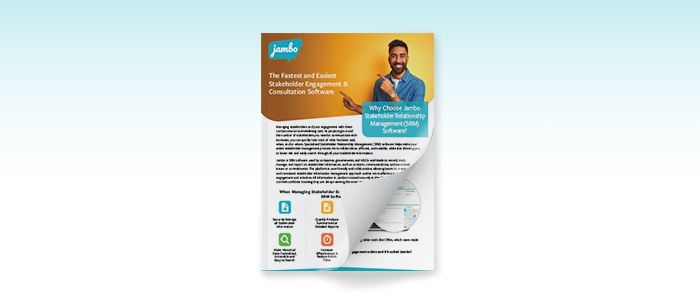
Stakeholder engagement carries real risks, and most of them are avoidable. This 14-page guide breaks down the 6 risk categories engagement teams most often encounter, with practical tips to mitigate each and concrete examples of what happens when they're left unchecked.

It's the kind of guide compliance officers, senior engagement leads, and procurement teams use to ensure their engagement strategy does more than just tick boxes.

What's inside:

The 6 risk categories every engagement team should know about

  • Reputational risk: miscommunications, community concerns, negative media, ESG mishandling, lost or blocked project bids
  • Relationship risk: trust loss, lack of buy-in, active opposition, engagement fatigue, and missteps from poor history tracking
  • Data security risk: dispersed data, insecure tools, confidentiality breaches, accessibility issues, GDPR compliance
  • Data quality risk: knowledge loss when team members leave, human error, incomplete records, information silos
  • Financial risk: project delays, resource waste, unanticipated costs, loss of funding, shareholder obligations
  • Legal risk: regulatory compliance, liability, litigation, and how to prepare your engagement history for legal scrutiny

Each chapter includes specific risk scenarios, practical mitigation tips, and how an SRM (Stakeholder Relationship Management) system fits into the strategy.

Get the guide now


Who this guide is for:

  • Senior engagement and consultation leads responsible for risk and reporting
  • Compliance officers, procurement teams, and legal counsel reviewing engagement processes
  • ESG, sustainability, and corporate responsibility teams
  • Anyone whose organization could be exposed to reputational, financial, or legal damage from how stakeholder engagement is handled

If you're new to engagement and looking for the fundamentals first, start with our beginner's guide instead.

Jambo is trusted by governments and organizations worldwide

Frequently Asked Questions (FAQs) about our guide to avoiding the 6 most common stakeholder engagement risks

Here, you can find answers to the most commonly asked questions about Jambo's How to Avoid the 6 Most Common Stakeholder Engagement Risks guide.

If you don't find the answer you're looking for, our friendly sales team is always here to help. You can contact us at hello@jambo.cloud.

Is this guide only useful if I'm in a regulated industry?

No. The 6 risk categories apply to every organization that engages stakeholders, regardless of sector. Regulated industries (energy, resources, infrastructure, government) will recognize the legal and financial chapters most acutely, but the reputational and relationship chapters apply to any team with stakeholders to protect. 
Does this constitute legal advice?
No. The legal chapter covers risk categories and mitigation principles, but doesn't constitute legal advice. For specific legal questions, you should consult independent legal counsel. We're explicit about this in the guide itself.
Does this only apply if I'm using Jambo?
No. The risk frameworks and mitigation tips work with whatever software (or spreadsheet) you're using today. The guide explains how SRM software supports risk mitigation, but the principles apply regardless of the tools. 
How does engagement history protect us legally?
Comprehensive engagement records (every interaction, commitment, issue, and decision) become evidence if your organization ever faces litigation or regulatory scrutiny. The guide explains how to use a system of record to efficiently compile and present engagement history, something most spreadsheet-based teams can't do reliably. 

Ready to see how Jambo helps reduce engagement risk?

If you want to see how purpose-built SRM software helps mitigate the risks covered in this guide, book a 15-minute call with our team. We'll walk through the platform and answer questions specific to your industry's risk profile.